
Photo by Jesse Vise
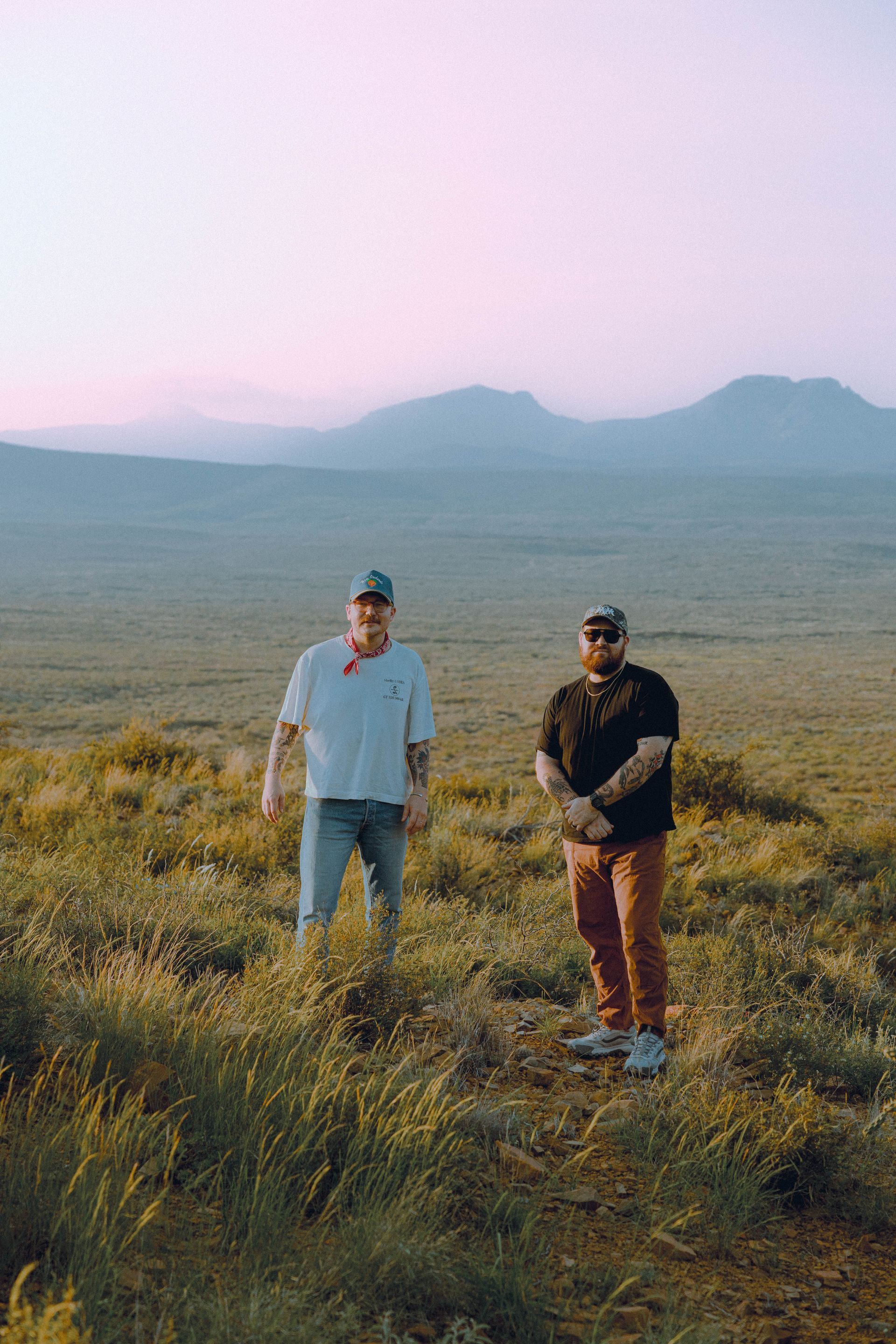
Photo by Jesse Vise
The Music that Brings Us Back Home
By Sharon Harper
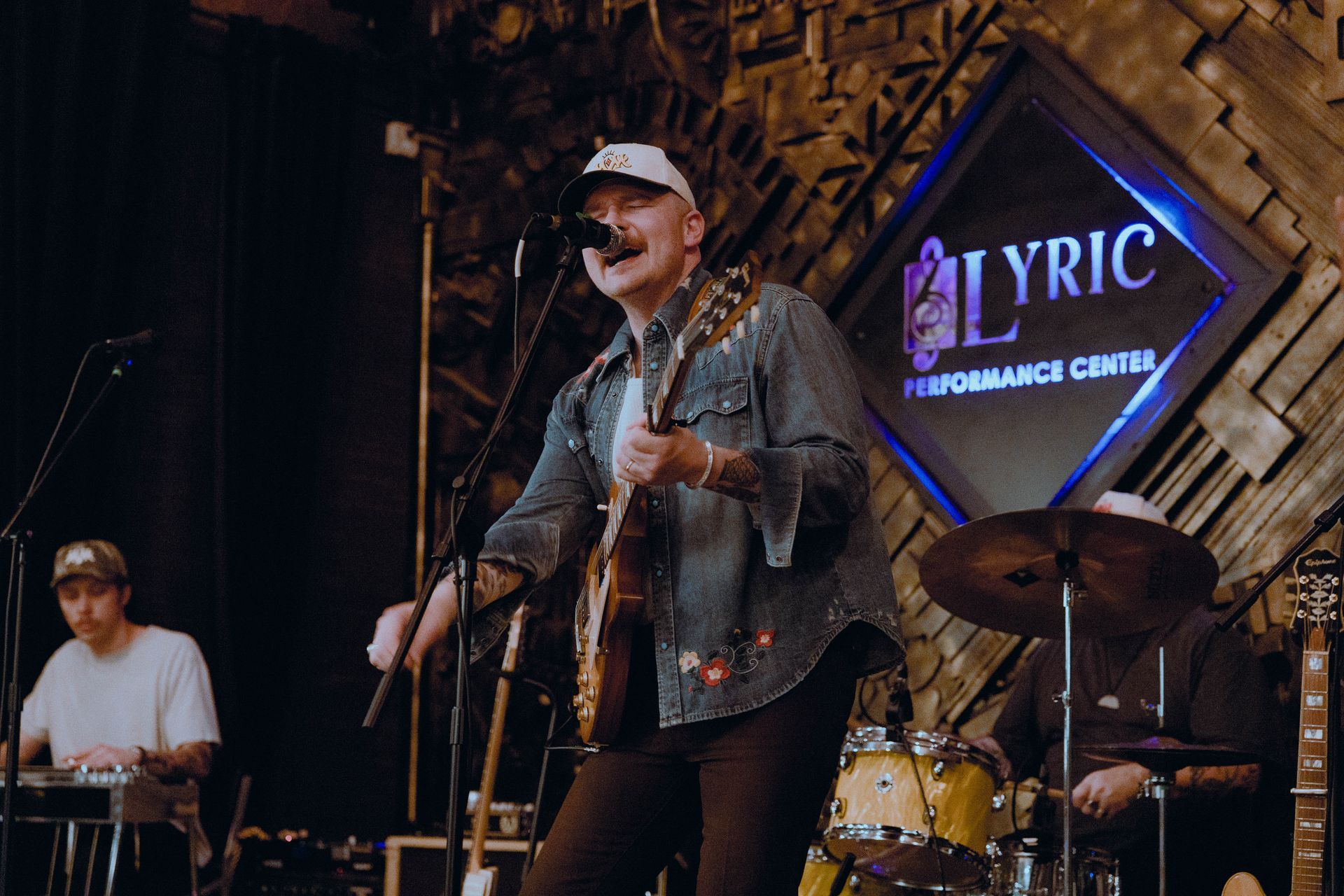
Coming home has a different feel when Matthew McNeal steps onstage in Terrell.
It has been about 10 years since McNeal and longtime friend and musical collaborator Andre Black performed together in their hometown. A lot happens in those years. Music takes them well beyond Terrell, and McNeal builds a career around writing, recording and performing.
Lately, that journey gives his hometown another reason to celebrate. McNeal’s fifth studio album, HIGHLONESOME, earns the Terrell High School graduate the inaugural JAMBALOO Music Prize, recognizing the best full-length album released by a Dallas-Fort Worth-area artist. McNeal co-produces the album with Black.
It’s a significant moment in McNeal’s career, but when he talks about the path that brings him here, the conversation quickly turns to the people who travel it with him. Black is one of them.
McNeal calls his fellow Terrell native his “constant collaborator, drummer, best friend, brother.” They grew up together, write together and tour together, building a musical partnership on a friendship that begins long before either knows where music might lead.
That history makes returning to Terrell to perform together something special.
McNeal comes home often to visit his mother, Missy Wallace, but a show brings a different kind of homecoming. There are familiar faces in the audience and people who remember McNeal and Black when they are just two young musicians finding their way.
The night isn’t only about looking back. Proceeds from the performance benefit a local family in need, something that fits naturally with McNeal’s view of what music can do.
“It’s not just getting up there and having, like, ‘look at me moment,’” McNeal says. “It’s really just creating an experience that we can all share together and connect.”
That idea of connection runs through much of McNeal’s story — in his music, his friendship with Black and the community where it all begins.
Growing up, Terrell is simply home. Only after traveling and experiencing life elsewhere does McNeal begin to see more clearly what the small Texas city gives him. One of those gifts is a sense of community.
Terrell is small, but it is also diverse. With one public high school, students from different neighborhoods, cultures and backgrounds share classrooms, friendships and experiences. Looking back, McNeal sees that as an important part of his upbringing.
“It really felt like a community,” he says.
Terrell’s location adds another layer. Close enough to Dallas to feel the influence of a major metropolitan area, it still offers the relationships and familiarity of a smaller town. For McNeal, that combination opens the door to different people, ideas and experiences.
More importantly, growing up among people from different backgrounds gives him an early understanding that people often have far more in common than the outside world suggests. Music expands that world even further.
Country, soul and rock ‘n’ roll are among McNeal’s early influences, along with artists such as Michael Jackson. As his own tastes develop, the search for music beyond what is familiar leads somewhere unexpected.
Punk music finds him. The attraction isn’t simply the sound or its counterculture reputation. It’s the community surrounding it.
Small venues introduce McNeal to an entire musical world operating outside mainstream radio. Bands create their own music, people show up to listen and, for a few hours, everyone in the room shares an experience. For a young musician from Terrell, it is a powerful discovery.
One artist who makes a particular impression is Canadian musician Dallas Green, who performs as City and Colour in addition to his work in punk music.
Green’s ability to move between two seemingly different musical worlds — one loud and visceral, the other quiet and intimate — shows McNeal that an artist doesn’t have to fit neatly into one category.
“You can draw a room with both a whisper and a yell,” McNeal says.
Encouragement also comes from close to home.
McNeal’s mother, Missy Wallace, and Black’s mother, Lori Blair, believe in what the young musicians are doing well before anyone knows where it might lead. Blair becomes something of a second mom to McNeal, and he describes the two women as “the pillars of it all.”
Years later, those early relationships still matter. Black remains a constant in McNeal’s musical life, but their creative circle grows to include other musicians they trust as friends, writers and collaborators. Making music becomes less about one person bringing a finished idea into the room and more about being open to what can happen when creative people work together.
McNeal doesn’t believe songwriting begins only when someone sits down with a notebook or turns on a microphone. Creativity is always there. “The faucet of creativity is never really closed,” he says.
A recent trip to West Texas puts that philosophy into practice. McNeal and his band pack up a mobile studio and head to a property outside Marathon, near Big Bend. Rather than arriving with songs already written and ready to record, they start from scratch, spending several days writing, playing and creating together.
By the time they leave, they have nine new songs.
The experience reflects the way McNeal approaches songwriting now: listen, pay attention and trust the people around you enough to see where an idea leads.
That same philosophy shapes the way he thinks about success. It’s an interesting subject for a musician who has just received one of the biggest recognitions of his career.
A career in music comes with plenty of numbers attached to it — money, streams, ticket sales and audience size. McNeal doesn’t dismiss the practical side of making a living. But numbers aren’t his final measure of whether a creative life is successful.
Fulfillment matters more. Success isn’t a finish line reached after the right song, the right crowd or the right career milestone. The goalpost, as McNeal sees it, is always moving. What matters is continuing to create, finding joy in the work and making something authentic enough to share.
“If you feel called to share art with others that connects and is true and authentic, I don’t think it really matters the size of the audience,” McNeal says. Whether five people listen or 5 million, the purpose remains much the same.
For McNeal, that idea reaches all the way back to Terrell — to playing music with Black, helping put together small shows, being encouraged by two mothers who believe in them and discovering what can happen when music brings people into the same room.