Telling the stories of the people and places of UESTX
History Corner
The Airfield That Helped Save the World
In Terrell, Texas, young British pilots trained far from the battlefields of World War II and became part of a remarkable story of courage, friendship and victory.
By Denis Rottler
n 1941, young men from Britain began arriving in Terrell, Texas, a long way from home and from the war that was consuming Europe. They came to learn to fly.
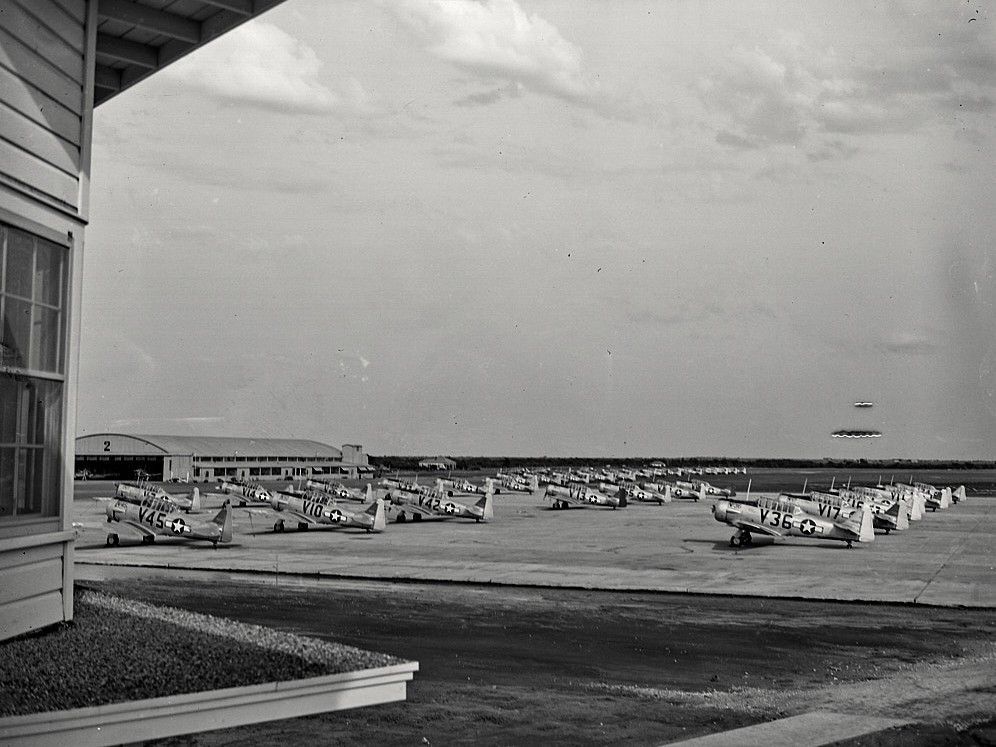
Britain was desperately training pilots for the Royal Air Force, but doing so at home had become increasingly difficult and dangerous. German attacks, crowded airspace and unpredictable weather made flight training a challenge. The wide-open skies of Texas offered something Britain badly needed: room to train.
Terrell was ready to help. Local businessmen raised $35,000 in just two days to purchase land for an airfield, helping bring the No. 1 British Flying Training School to the community.
It became the first and largest of six civilian flying schools in the United States dedicated to training British pilots during World War II.
From 1941 to 1945, more than 2,200 British, Canadian and American cadets trained in the skies over Terrell. They learned the skills they needed before heading into combat, progressing through increasingly demanding stages of flight training.
But their time in Terrell was about more than airplanes and flight instruction.
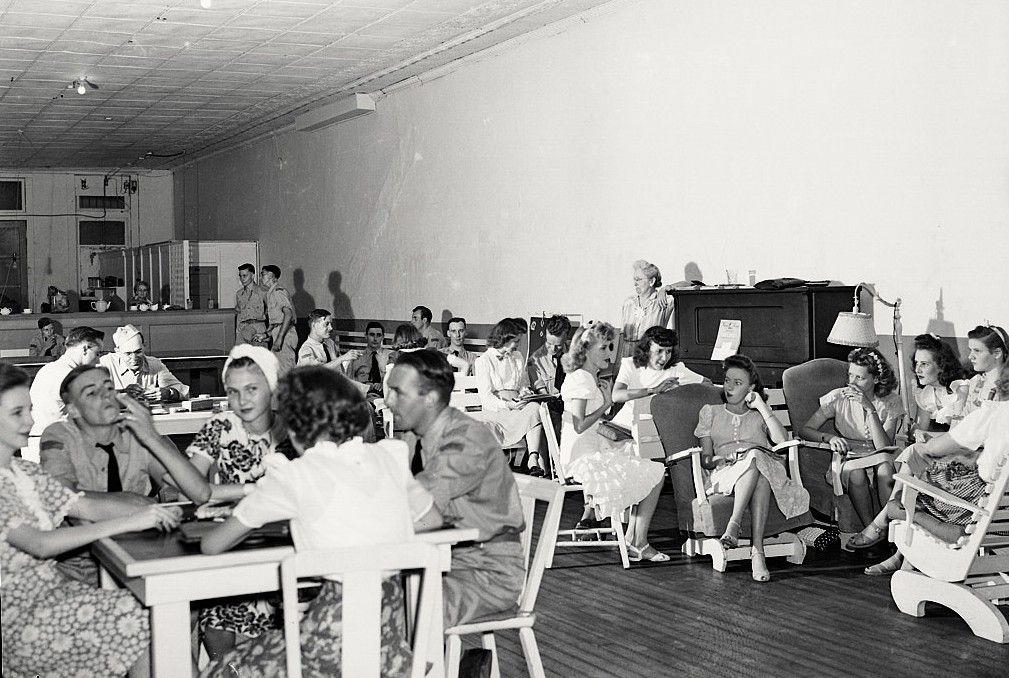
For many of the British cadets, Texas must have seemed like another world. They were young, far from their families and living in a place very different from the communities they had left behind. Terrell residents welcomed them into their homes, invited them to dinners and dances and included them in everyday family life.
Friendships formed. Romances did, too. Some of the cadets married local women, creating connections between Terrell and Great Britain that continued long after the war ended.
It is one of the most interesting parts of the story. World War II was being fought an ocean away, yet its presence could be felt on the streets of a small Texas town.
There was also loss. Twenty young men associated with the school died during their time in Terrell, most in training accidents or from illness. Those deaths were a painful reminder that learning to fly military aircraft carried its own dangers, even thousands of miles from the battlefield.
The cadets who died in Terrell were laid to rest at Oakland Memorial Park. Their graves, marked in the tradition of the Royal Air Force, remain one of the most tangible connections between the community and the young men who came here more than 80 years ago.
Today, their story is preserved at the No. 1 British Flying Training School Museum at Terrell Municipal Airport.
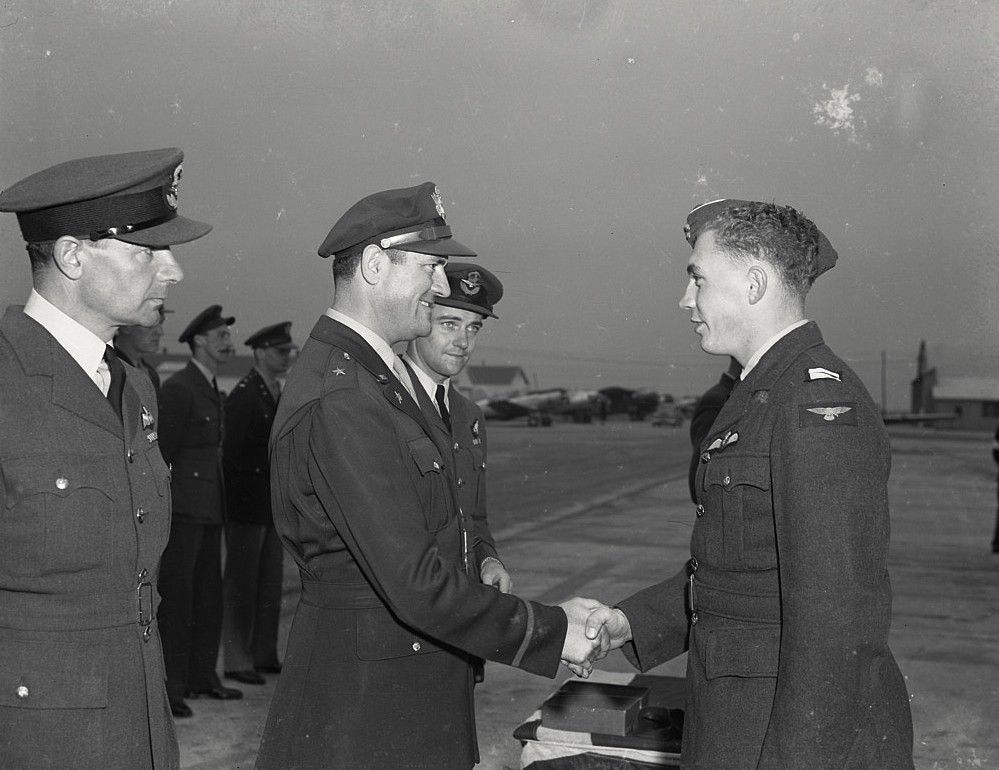
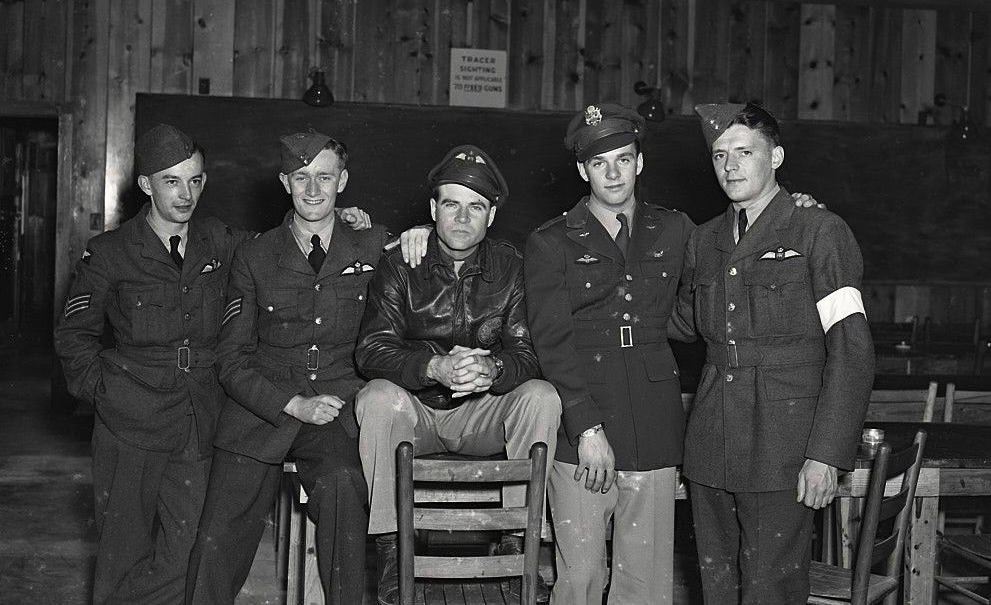
Walking through the museum puts names and faces to a chapter of history that can otherwise feel very far away. Photographs show cadets standing beside aircraft or gathered with friends. Uniforms, flight equipment, logbooks, letters and personal belongings help tell the individual stories behind the larger history of the school.
That personal side is what makes the museum especially compelling. These weren’t simply pilots in a history book. They were young men learning a difficult and dangerous skill while adapting to life thousands of miles from home. They wrote letters, made friends, fell in love and wondered what awaited them when their training was finished.
Many eventually returned overseas to serve in the war. Others remained connected to Terrell for decades, returning to visit or bringing children and grandchildren to see the Texas community that had become part of their family’s story.
The museum continues to welcome descendants of former cadets, some traveling from Great Britain and other countries to learn more about a father, grandfather, uncle or other relative who trained in Terrell. For those families, the museum’s photographs, records and artifacts can make a story they have heard all their lives suddenly very real.
For Terrell, the museum preserves something equally important. It tells the story of a community that found itself unexpectedly connected to a global war and responded by opening its doors to thousands of young men who needed a place to train.
More than eight decades later, that connection remains. The airplanes are no longer circling above the training fields, and the young cadets who once filled Terrell’s streets belong to another generation. But inside the No. 1 British Flying Training School Museum, their photographs, letters and stories are still here.