
Celebrating the writers, storytellers, poets, and books that enrich the Upper East Side of Texas.
Literary
A Love for Reading Starts at Home
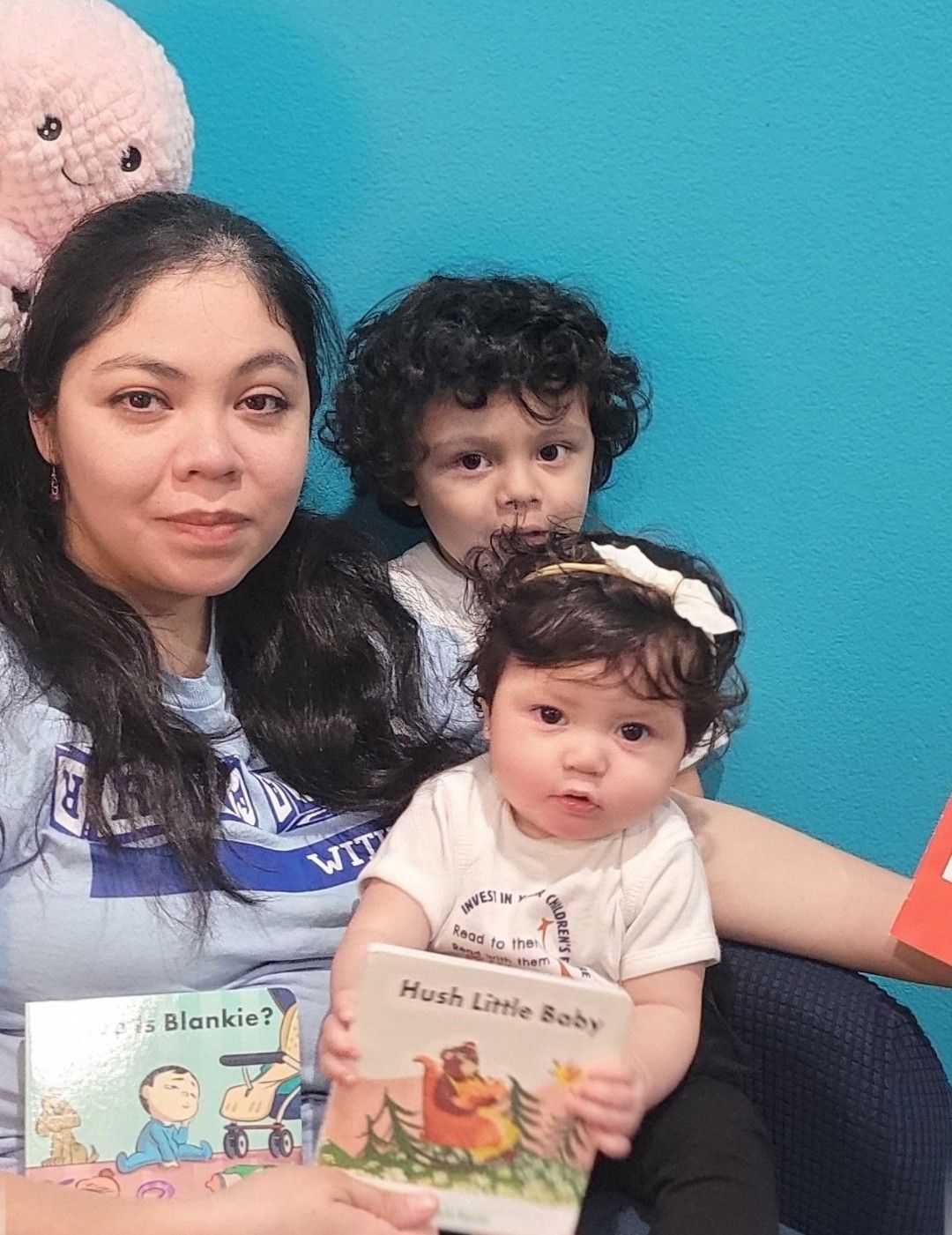
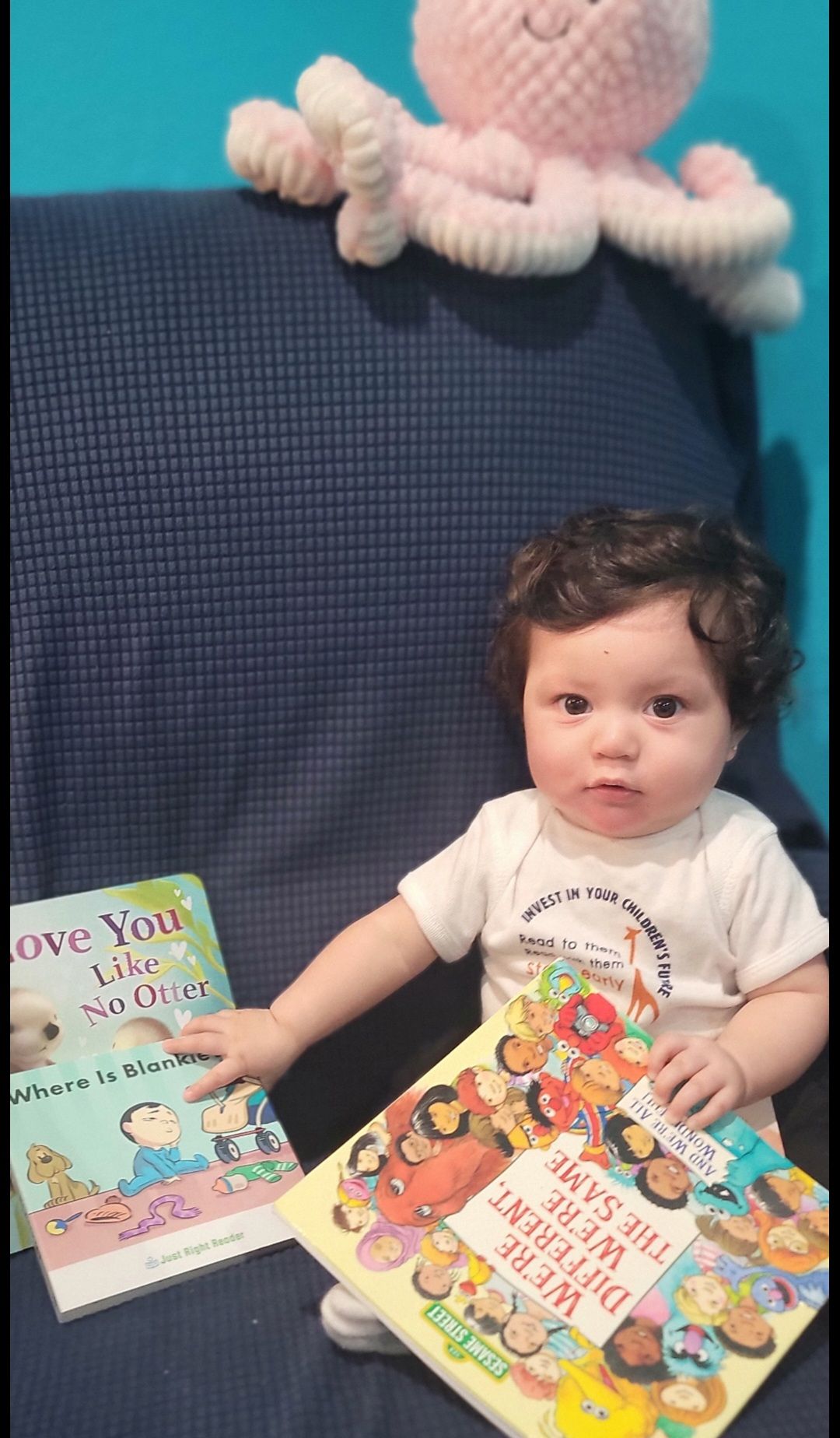
How a UT Tyler program is helping families build a love of reading at home
A child’s first library may be a small stack of books beside the bed.
The first storyteller may be a parent making funny voices while reading a picture book. The first lesson in vocabulary might happen in the grocery store, on a walk through the neighborhood or while pointing out cows from the back seat on an East Texas country road.
Long before children learn that reading is something they do at school, they are learning about words, sounds, stories and conversation from the people around them.
At The University of Texas at Tyler, that simple idea is helping shape an approach to literacy that reaches beyond classrooms and into homes and communities across East Texas.
Through its K-16 Literacy Center, part of the university’s School of Education, UT Tyler works to strengthen literacy from a child’s earliest years through college. The center partners with educators and school districts, but some of its work begins with an even more fundamental partnership, the one between a young child and a parent or caregiver. The Parent-Powered Literacy Project grew from that understanding.
Rather than waiting until children arrive at school to begin thinking about reading readiness, the program helps parents recognize the learning already taking place during the first years of life and gives them practical ways to encourage it.
That might mean reading together, but literacy at that age is about much more than books. Conversation matters. Songs matter. Asking a child what he or she sees matters. So does listening to an answer, even when it takes a while to get there.
“Neuroscience research highlights the critical role of early brain development, especially during infancy and early childhood,” said Dr. Kouider Mokhtari, UT Tyler Anderson-Vukelja-Wright Endowed Professor and director of the K-16 Literacy Center. “Enriched home environments, quality caregiving and educational stimulation significantly impact young children’s developmental learning outcomes.”
It sounds scientific, and it is. But in a family’s daily life, those enriched environments can look wonderfully ordinary.
A trip to the grocery store provides new words. Cooking together introduces measurements, sequences and instructions. A walk outside brings questions about bugs, birds, trees and clouds. Nursery rhymes introduce rhythm and sounds. Family stories teach children how one event follows another. And, of course, there are books.
Through the Parent-Powered Literacy Project, families receive children’s books along with resources and guidance designed to help parents support early language and literacy development at home. The goal isn’t to turn the kitchen table into a classroom. It is to help adults recognize opportunities for learning that are already there.
Parents can sometimes feel pressure to prepare a child for school by recreating school at home. Early literacy can be much more natural than that. A child curled up beside a grandparent listening to the same story for the fifth night in a row is learning. So is the preschooler who wants to stop on every page to ask a question.
Even that request parents and grandparents know so well — Read it again — has value. The work also reflects something larger about literacy itself.
Learning to read opens the door to nearly everything that follows. Books eventually become history lessons and science experiments, instruction manuals and road signs, novels and newspapers. Reading gives children a way to learn independently, explore ideas and understand lives and places beyond their own.
UT Tyler’s literacy work recognizes that schools do not build that foundation alone. Families, educators, universities and communities all have a place in it.
Partnerships with East Texas school districts, including Chapel Hill and Longview ISDs, allow that work to move beyond the university campus and into the communities the K-16 Literacy Center serves.
Dr. Jacqueline Burnett, director of early childhood and K-2 parent engagement at Longview ISD, describes the Parent-Powered Literacy Project as a way of equipping parents to create stronger language and literacy environments at home while helping prepare children for school.
Helping a child become a reader doesn’t require knowing all the right answers. It begins with talking and listening. With noticing what captures a child’s curiosity. With keeping books within reach and making time for stories.
Across East Texas, those moments happen every day. They happen in living rooms and kitchens, in pickup lines and rocking chairs, at grandparents’ houses and around family dinner tables. They may not look like reading lessons. But that is often where readers begin.