Black Cowboys: An American Story
Dallas exhibition tells the stories of Black cowboys who helped shape the American West.
By Sharon Harper
The cowboy is one of the most recognizable figures in American history. Cattle drives, dusty trails and long days in the saddle are part of the Texas story. But not all the cowboys who helped build the American West received their share of recognition.
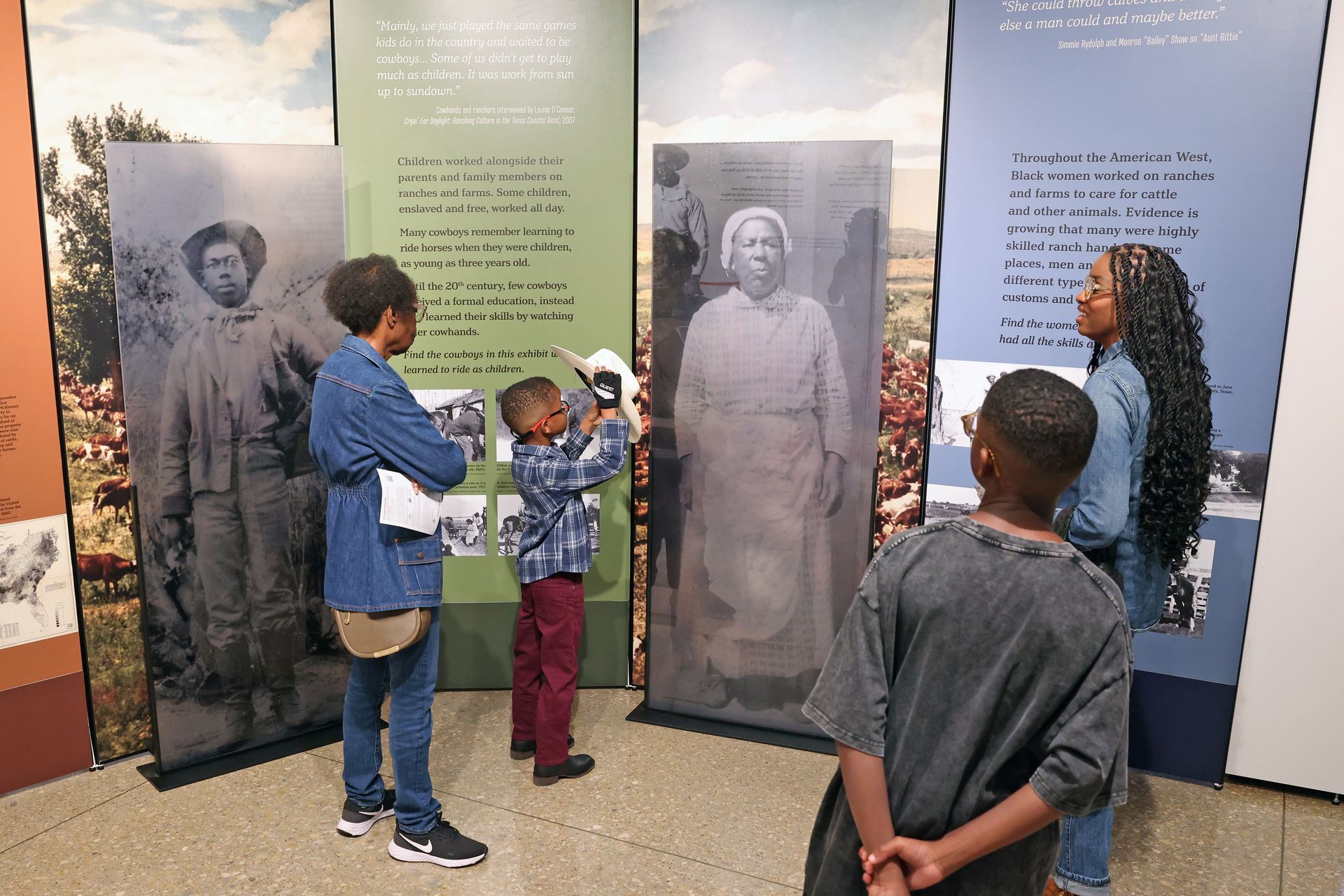
Black Cowboys: An American Story, an exhibition at the Dallas Holocaust and Human Rights Museum, tells the stories of Black men and women whose skills and hard work helped shape ranching, rodeo and Western culture.
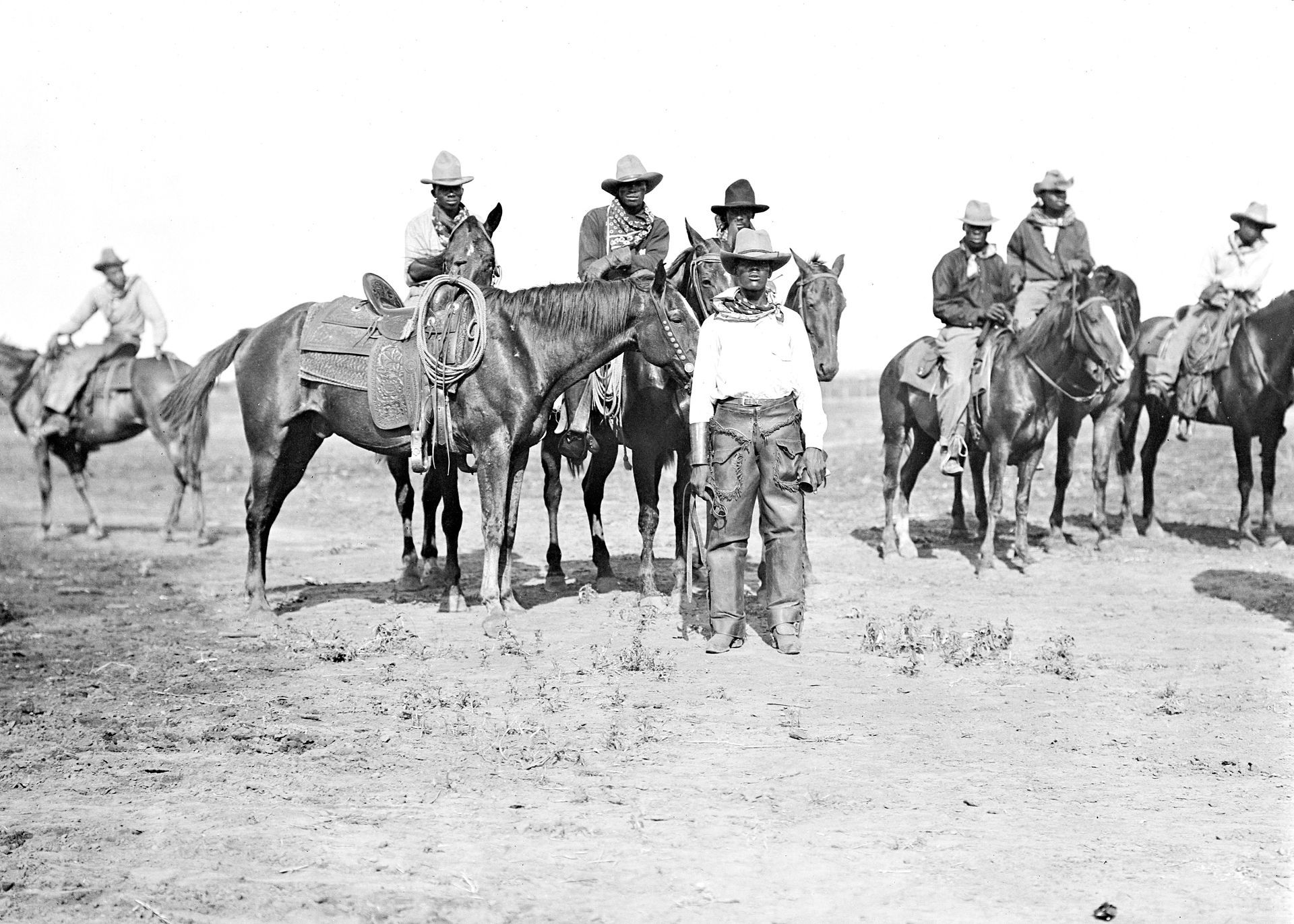
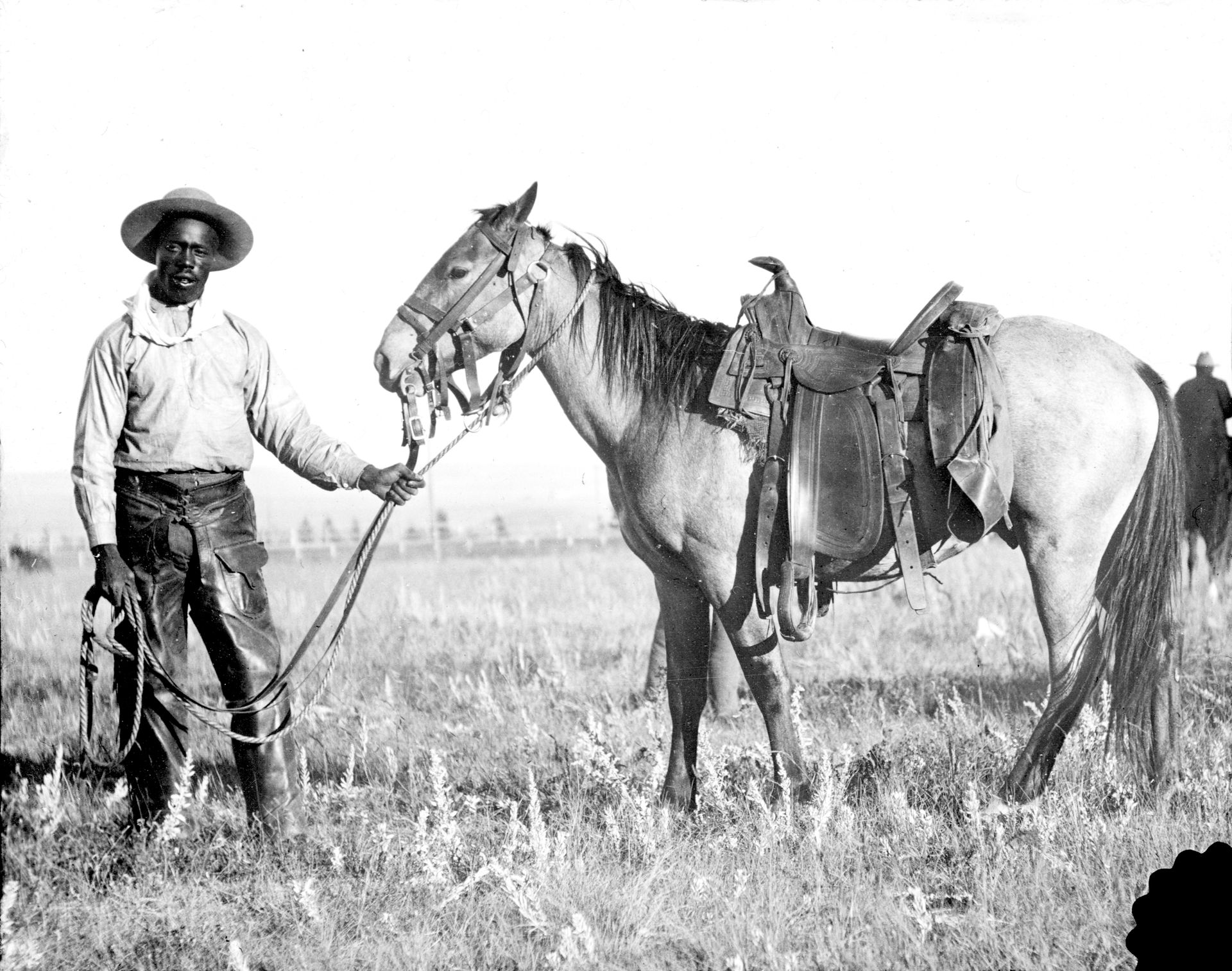
Following the Civil War, the Texas cattle industry grew rapidly. Formerly enslaved men, many already experienced in handling horses and livestock, found work driving cattle north to railroad towns in Kansas. Historians estimate that one in four cowboys on those early cattle trails was Black.
Life on the trail was anything but easy. Cowboys spent weeks and sometimes months moving herds across rivers, through storms and over unfamiliar territory. Black cowboys shared the dangers and demands of the work while facing the racial discrimination of the time.
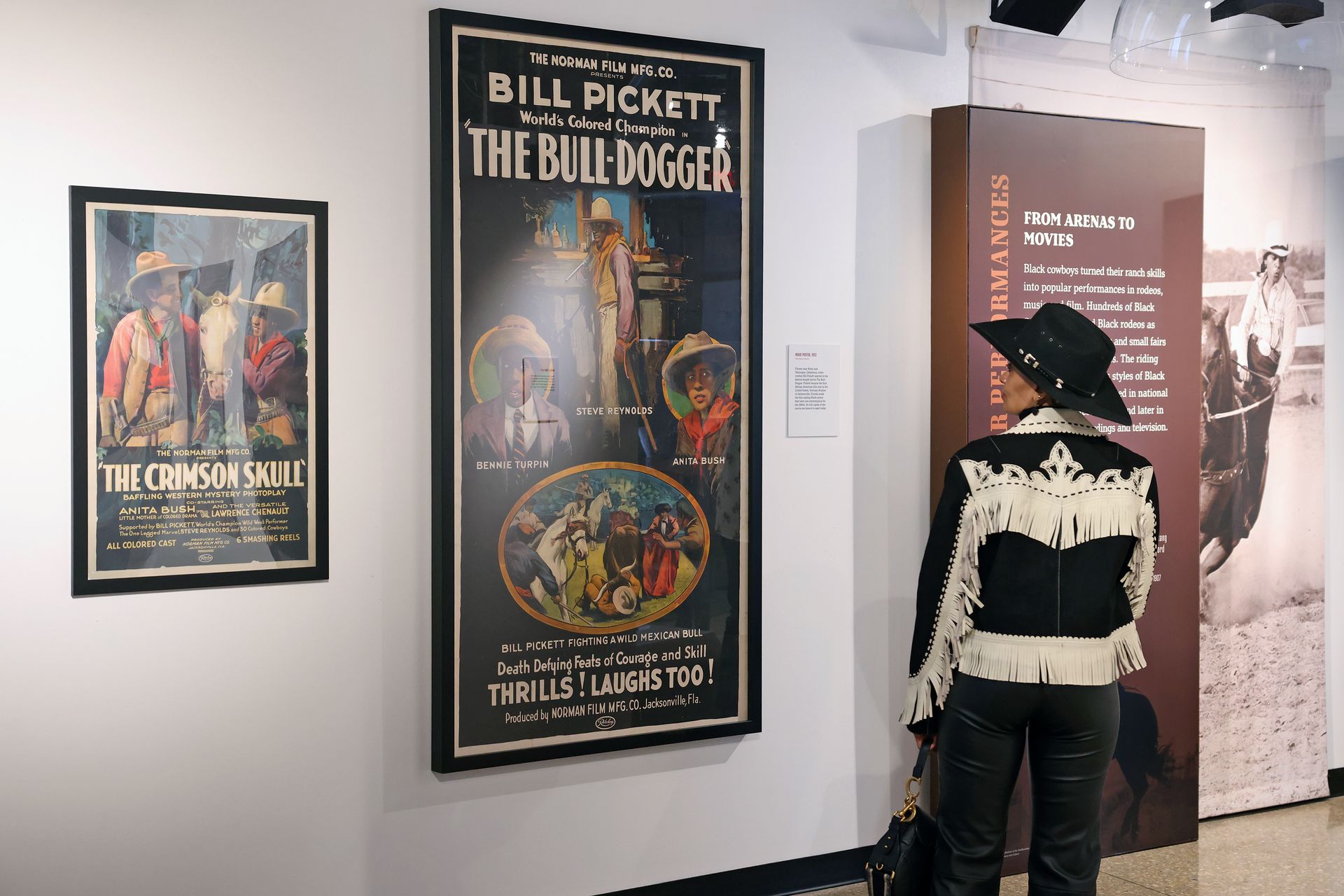
Some became legends. Bose Ikard, a former enslaved man, earned the trust of famed Texas cattleman Charles Goodnight and became one of his most respected trail drivers. Bill Pickett made rodeo history by developing bulldogging, a technique that evolved into modern steer wrestling.
Developed by the Witte Museum in San Antonio, the exhibition uses photographs, artifacts and personal stories to trace the contributions of Black cowboys from the early cattle drives to today’s ranches and rodeo arenas.
The Dallas exhibition also honors Cleo Hearn, a Lancaster cowboy who founded the Cowboys of Color Rodeo and devoted much of his life to preserving Black cowboy traditions. His saddle, boots, spurs and photographs offer a personal look at that legacy.
For Texans, this exhibition adds another chapter to a history For Texans, this exhibition adds another to an incomplete history learned by many. The cattle trails, ranches and rodeos that helped define the state were shaped by people of many backgrounds. Their stories deserve to be told.
Black Cowboys: An American Story is on view through April 18, 2027, at the Dallas Holocaust and Human Rights Museum, 300 N. Houston St. in Dallas. The museum is open Wednesday through Monday, 10 a.m. to 5 p.m. For admission information, visit dhhrm.org.