European Charm, Texas Style
European Charm
By Sharon Harper
Summer travel used to feel simpler.
Families piled into station wagons or pickup trucks, grabbed a paper map, and headed out for a few days of adventure. These days, airfare alone can feel like a second mortgage, hotel prices rise by the minute, and even a quick getaway sometimes requires months of planning.
Perhaps that is why so many families are rediscovering the charm of nearby travel, whether by scenic road trip or, perhaps in one of the most European traditions of all, by train.
Some of the most memorable cultural experiences can still be discovered along the backroads of East Texas, where hints of European influence quietly appear.
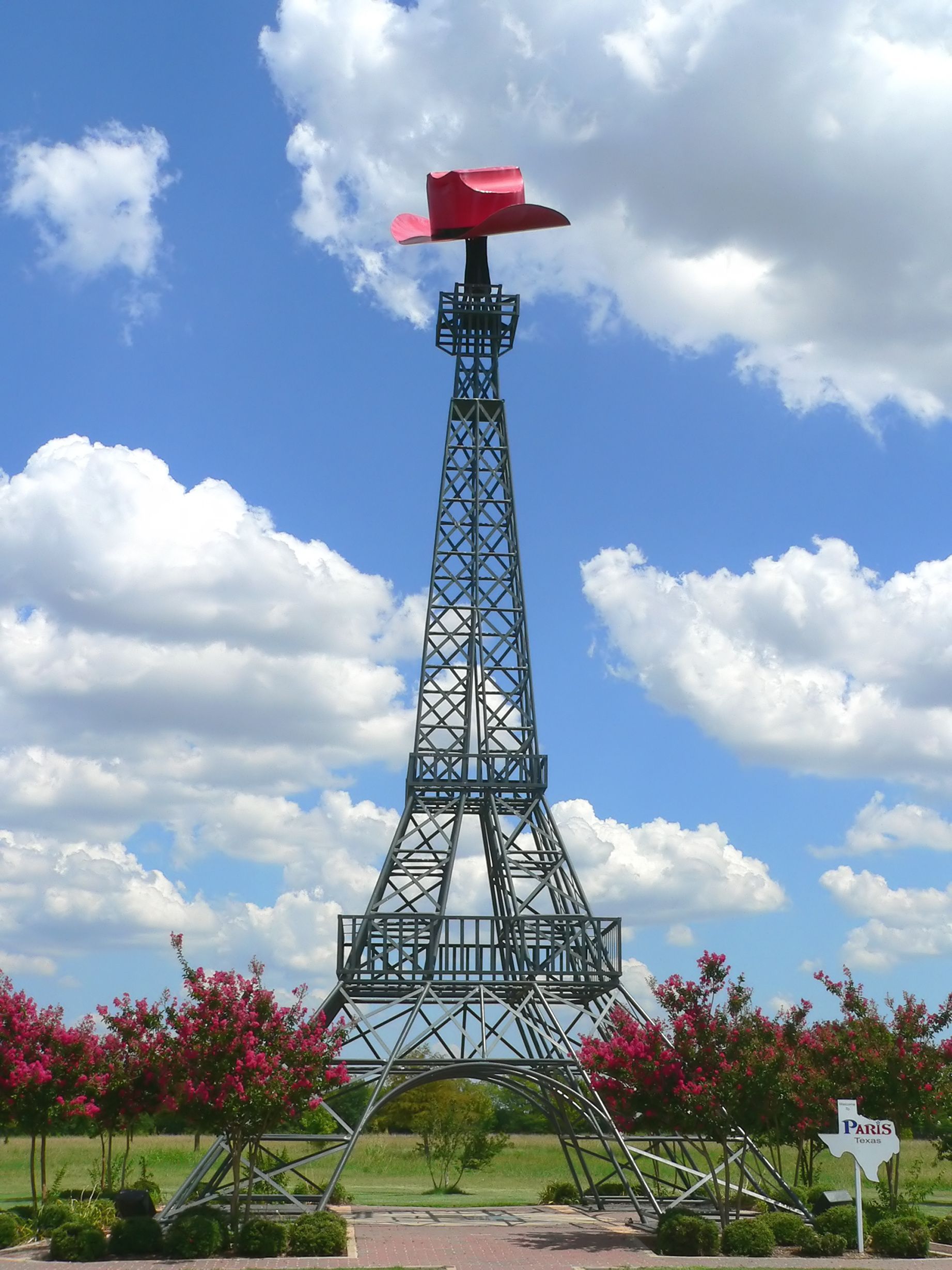
Scattered throughout the Upper East Side Region of Texas are places that somehow capture the spirit of destinations far beyond state lines. Some borrow names from famous cities around the world. Others simply offer a feeling. Old-world architecture, vineyard views, sidewalk cafés, historic churches, rose gardens, waterfront dining, or leisurely afternoons that encourage visitors to slow down and stay awhile.
The cultural influences found throughout the region are surprisingly deep. French, German, Czech, British, Italian, Spanish, Dutch, and Bohemian traditions helped shape East Texas communities in ways still visible today through architecture, food, music, churches, and annual celebrations.
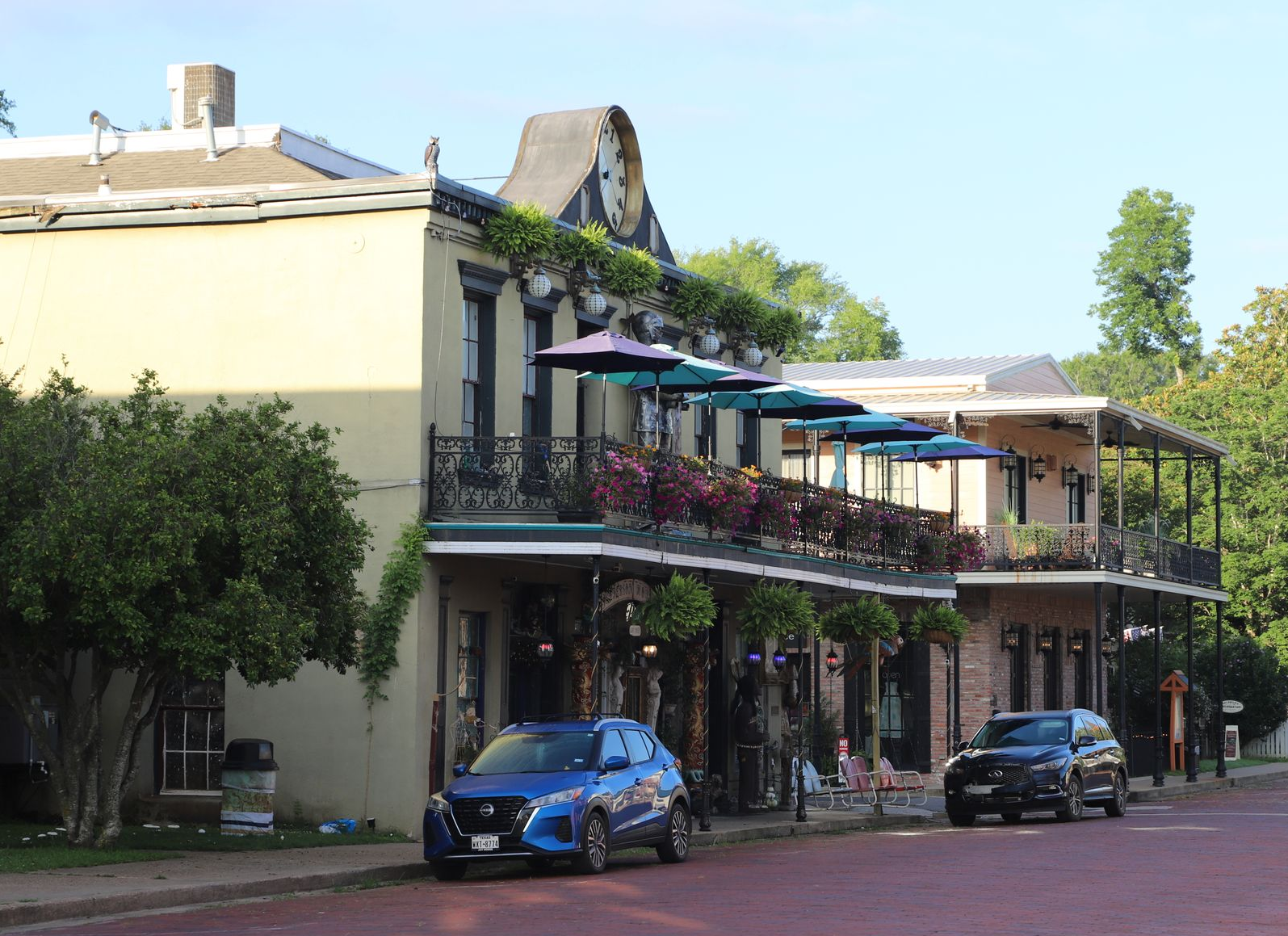
Historic downtowns feature Beaux Arts storefronts, Victorian Gothic churches with beautifully crafted stain glass windows. Greek Revival homes, and ornate iron balconies reminiscent of old European cities can be found throughout the region.
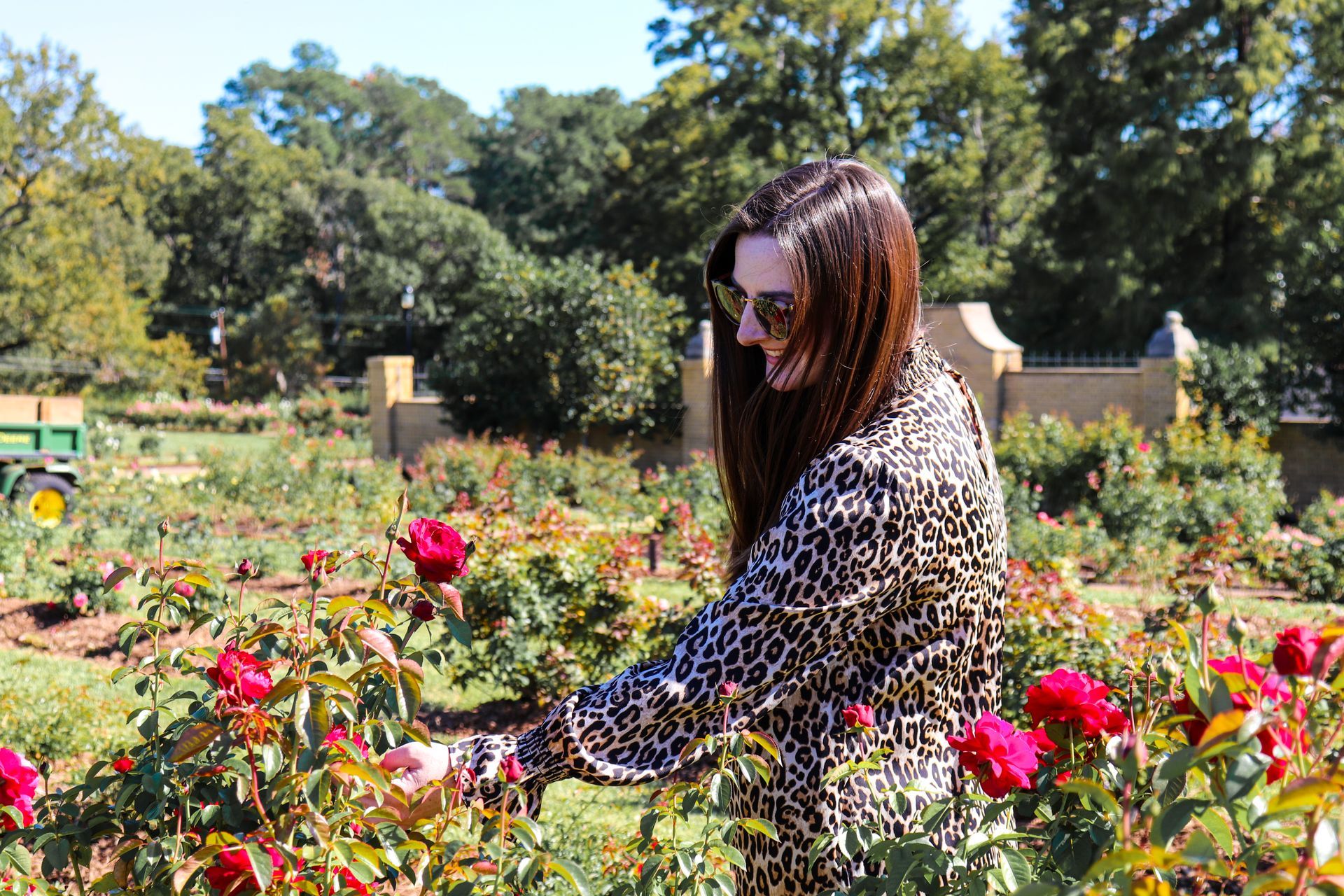
Tyler’s famous rose gardens evoke the elegance of English and French formal gardens, while vineyards throughout the region borrow heavily from Tuscan wine country aesthetics and culture to create a unque experience for visitors.
The influence continues most noticeable through food and gathering traditions passed down for generations. Czech bakeries filled with fresh kolaches remain a reakfast staple, while German and Czech smoking techniques helped shape the barbecue culture that defines much of Upper East Side Texas today. French and Cajun influences appear in crawfish boils, gumbo, pralines, and rich sauces, while wineries, breweries, cafés, outdoor gathering spaces, and markets throughout the region continue traditions rooted in European hospitality and community life.
Even outdoor experiences across the region occasionally feel transportive with an Adriatic or Mediterranean energy. Families can experience open-water sailing across Lake Ray Hubbard or witness a regatta on Lake Texoma.
Perhaps part of the magic is that generations of settlers brought pieces of their culture and traditions to their new home and blended them into something uniquely Texan.