
The Untamed Neches
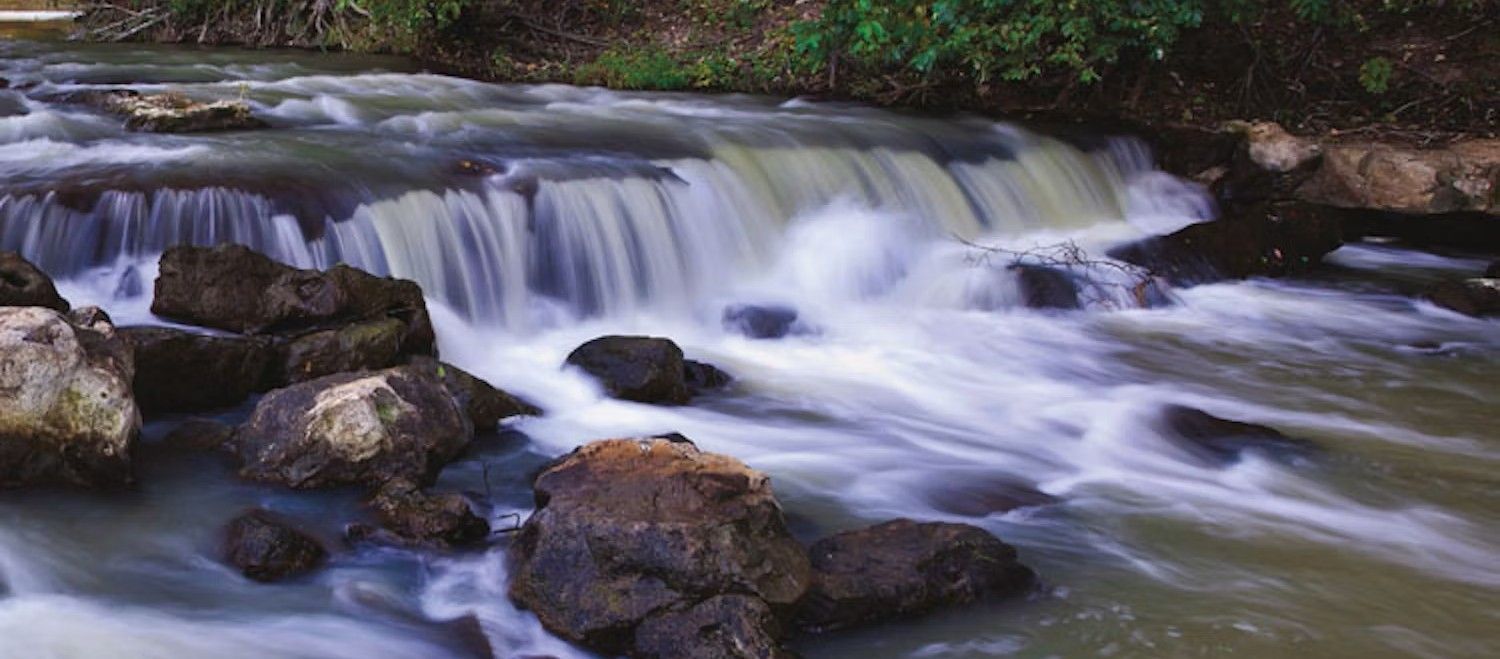
Photo by Adrian J. Van Dellen
Along the Neches River, Wildlife Still Exists
By Sharon Harper
Just after sunrise, the Neches River feels older than Texas itself.
Mist hangs low across dark water as paddles dip quietly beneath towering cypress trees. A woodpecker rattles somewhere deep in the timber while the current slips around fallen logs and ancient roots polished smooth by centuries of flooding.
In some places, the river narrows into shadow and silence so complete it feels untouched by time.
Out here, cell service disappears. Highway noise fades. The modern world loosens its grip one bend at a time.
And that is exactly why people keep coming back.
Flowing 416 miles from Van Zandt County to Sabine Lake near Beaumont-Port Arthur, the Neches River remains one of the last truly wild rivers in Texas. Long before interstates cut across the state or subdivisions pushed into the countryside, the Neches carved its way through hardwood bottoms, pine forests, swamps, and wetlands that still shape much of East Texas today.
For generations, East Texans have hunted along its banks, paddled its waters, photographed its scenery, and told stories about the strange beauty hidden beneath its canopy.
Some know it through books. Others know it through bruises.
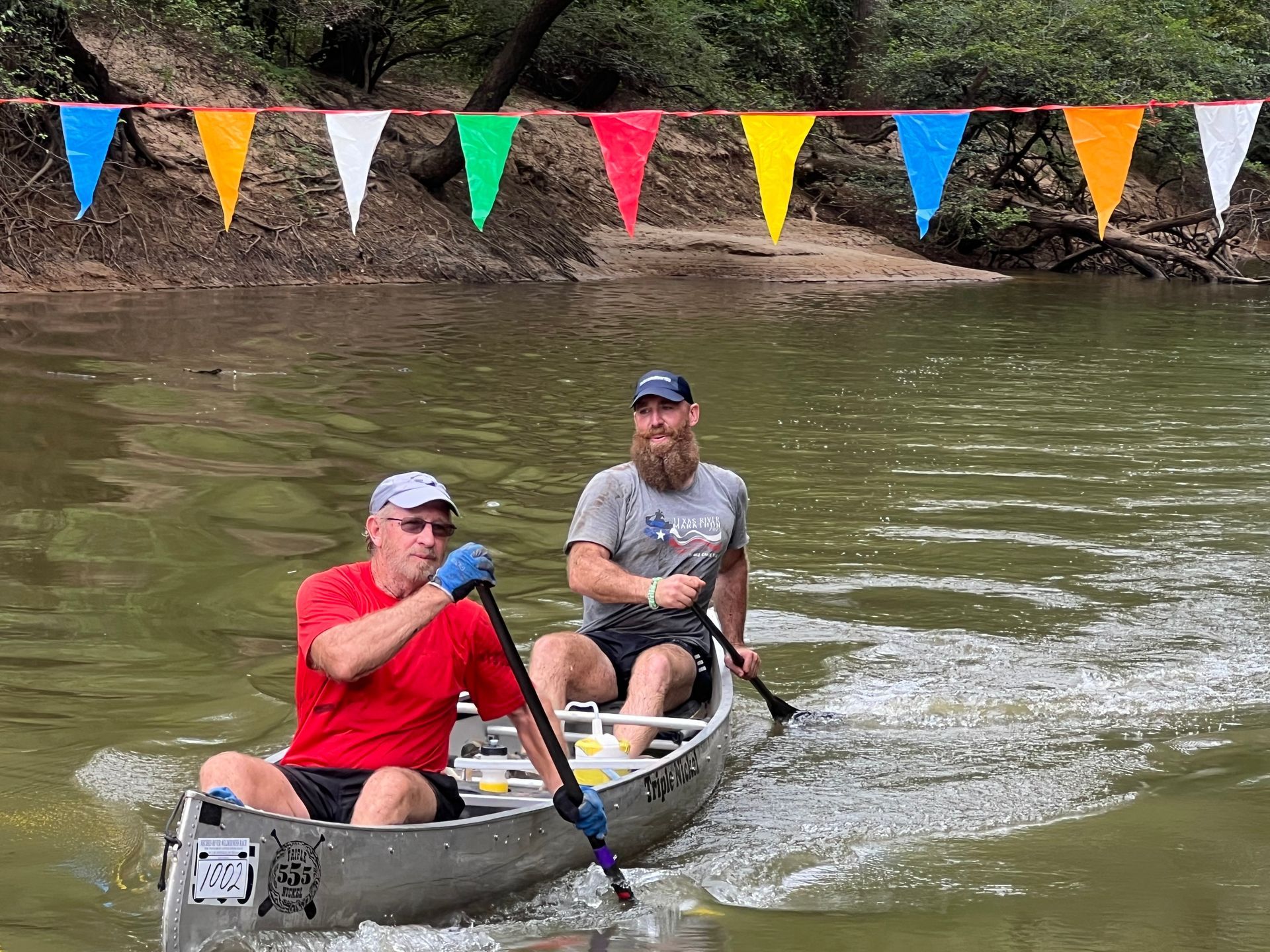
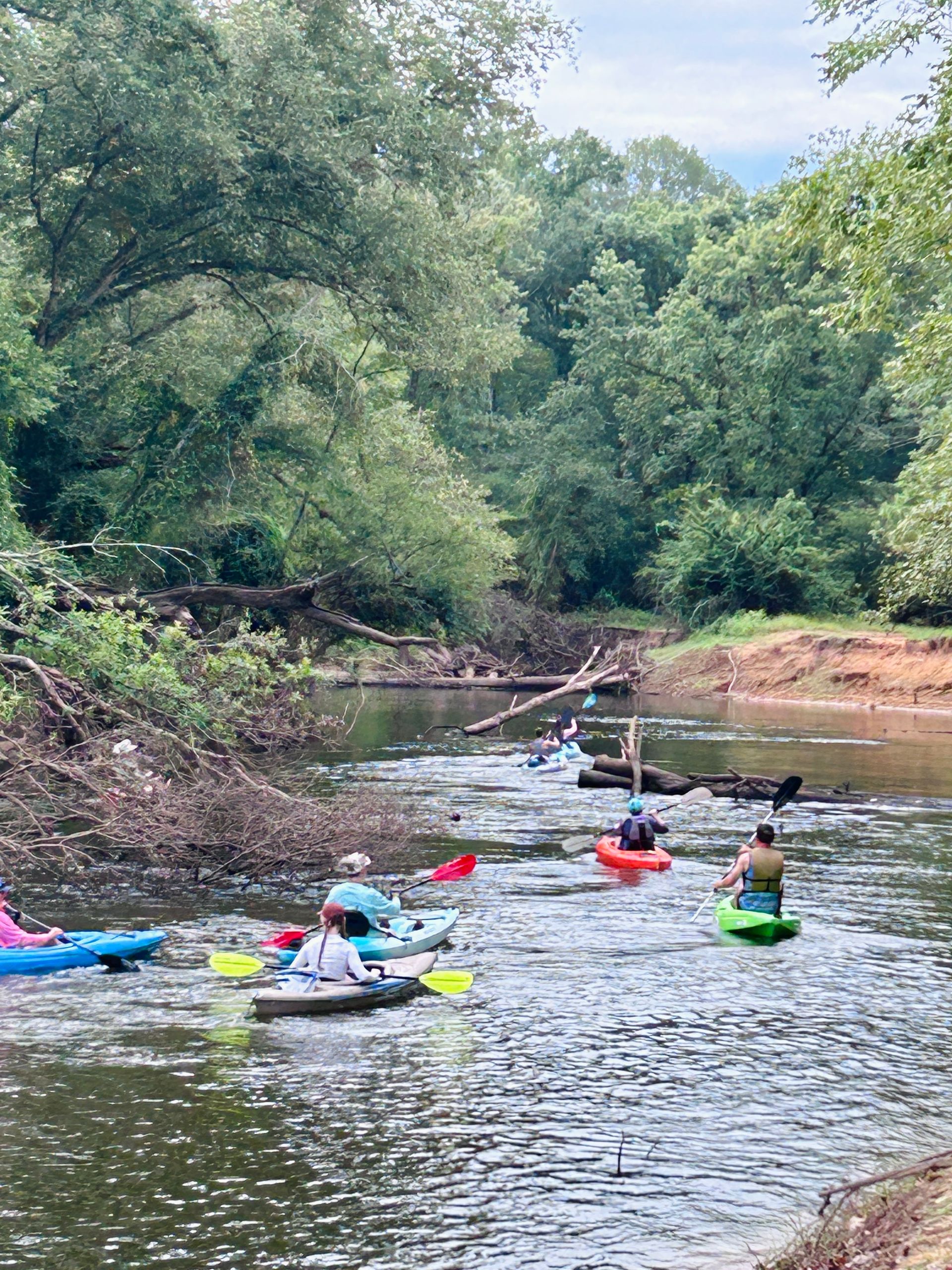
Bruce Bodson has spent decades paddling Texas rivers, but he speaks about the Neches with something closer to reverence than recreation. Through years spent navigating some of the river’s roughest stretches, he has developed a deep respect for the Neches and its unpredictability.
For more than 30 years, paddlers from across Texas have gathered near Palestine during the first weekend of August for the Neches River Wilderness Race, a notoriously rugged event that often drew more than 100 participants each year. While organizers announced the race will pause this year, many hope the tradition will return in the future.
Unlike many scenic paddling destinations, portions of the Neches are rugged, tangled, and demanding. Massive logjams, hidden snags, sharp turns, and changing water levels force paddlers to stay alert.
“It’s more obstacle course than boat race,” Bodson said with a laugh. “I’ve never finished that race not bleeding.”
For most people, that might sound like a warning.
For river people, it sounds more like part of the experience.
“There’s nothing else like that stretch of river,” he said.
Over the years, a quiet community of paddlers, kayakers, photographers, and outdoor enthusiasts has formed around the Neches. Some return every summer simply to reconnect with the river and with one another. Others come looking for solitude, challenge, or the feeling of slipping into a part of Texas that still feels untamed.
The Neches has a way of creating those kinds of loyalties.
Part of it is the challenge. The river can shift quickly from calm reflection to tangled wilderness. Massive fallen trees force paddlers into narrow passages while sudden turns reveal stretches of water so still they mirror the forest canopy overhead.
But the deeper attraction is harder to explain.
People talk about the silence. The darkness beneath the trees. The feeling that around the next bend, the river might reveal something few places in Texas still can. And often, it does.
At the Upper Neches River National Wildlife Refuge, thousands of protected acres preserve a landscape that remains remarkably unchanged from what early travelers would have encountered centuries ago. Visitors hiking the refuge’s trails or launching kayaks into the river enter a world shaped more by flood cycles and changing seasons than pavement and development.
“You’re truly seeing what it would have been like hundreds of years ago,” said refuge manager Leo Gustafson. “It’s going to be wild habitat with a dirt road going through it.”
That sense of wildness is part of what makes the Neches different.
Unlike many outdoor destinations increasingly shaped for convenience, the Neches still asks something of the people who explore it. Summer heat settles heavily beneath the trees. Trails can flood. River levels change quickly. Fallen timber blocks passages. Getting here often requires slowing down, paying attention, and accepting a little discomfort.
That, too, is part of the appeal.
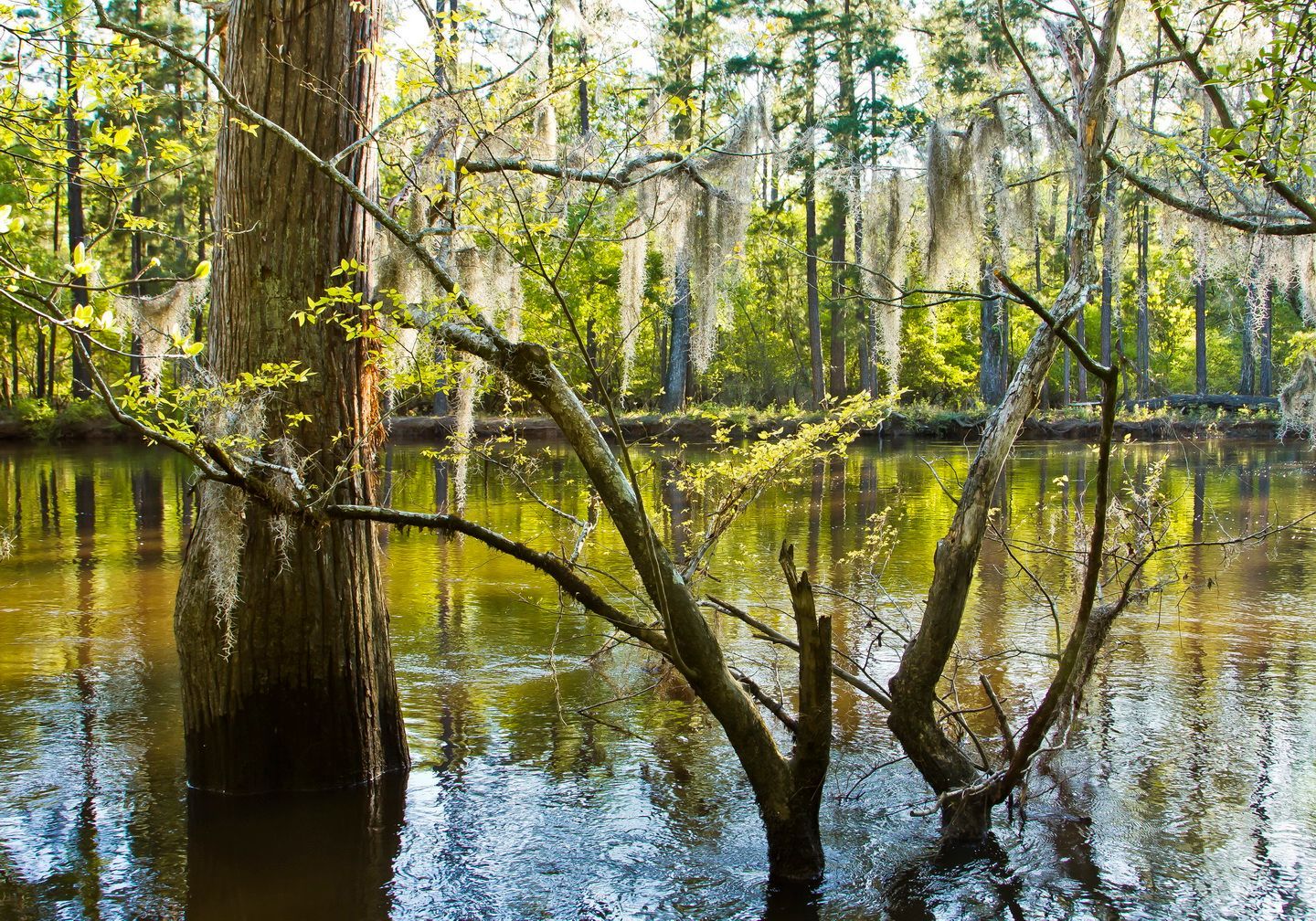
Photo by Adrian J. Van Dellen
“There’s a whole community built around these rivers,” Bodson said. “People come back every year.”
For many East Texans, the Neches is more than a river. It is memory, tradition, and identity woven into the landscape itself. Writers have spent decades trying to capture it.
Books like Paddling the Wild Neches, Reflections on the Neches: A Naturalist’s Odyssey, and Let the River Run Wild chronicle the river’s beauty, history, and fragile importance. For those inspired to experience the river firsthand, the Neches River User Guide offers valuable insight into safely navigating the waterway, highlighting river conditions, access points, wildlife, camping areas, and important safety considerations along the route.
A recently released documentary, The Neches: The Wild Heart of East Texas, continues that storytelling tradition for a new generation discovering the river for the first time.Perhaps the reason so many people write about the Neches is because it resists easy description.
The river can feel peaceful one moment and untamed the next. It carries centuries of East Texas history through places where cypress knees rise from black water and Spanish moss hangs motionless in humid air.
Caddo peoples once lived along these banks. Spanish explorers crossed the river in the 1600s. Steamboats later pushed cotton and timber toward the Gulf Coast while logging camps and ferry crossings appeared and disappeared beside the current.
The river remembers all of it.
And somehow, despite Texas growing faster and louder every year, parts of the Neches still feel gloriously unchanged.
Out on the water, there are moments when the only sounds are paddles cutting current and birds moving overhead. No traffic. No notifications. No deadlines. Just water slipping through East Texas.
Wildlife Along the Neches
The Neches River corridor is one of the most biologically diverse regions in Texas. Stretching through bottomland hardwood forests, wetlands, sloughs, and river swamps, the river provides habitat for hundreds of species of birds, mammals, reptiles, amphibians, butterflies, and insects.
For birders, photographers, kayakers, and nature lovers, the Neches offers a chance to experience East Texas wildlife much as it has existed for generations.
Birds of the River Corridor
The Neches lies within a major migratory flyway, making it an important stopover for countless bird species throughout the year. Bald eagles are occasionally spotted during winter months, while barred owls and hawks remain year-round residents of the river bottoms.
Wood ducks glide through quiet backwaters while herons and egrets stalk the shallows. During migration seasons, warblers and songbirds fill the timber canopy with movement and sound.
For many visitors, the river’s soundtrack is as memorable as the scenery itself.
Wildlife in the Bottomlands
White-tailed deer are commonly seen along the refuge trails and riverbanks, especially during the early morning and evening hours. Beavers work quietly along sloughs and creeks while bobcats, coyotes, and river otters move through the dense hardwood forests often unseen.
In recent years, wildlife officials and photographers have documented increasing signs of black bears slowly returning to portions of East Texas river corridors, including areas near the Neches watershed.
Ancient River Residents
Along portions of the lower Neches and surrounding wetlands, American alligators remain part of the river ecosystem. While sightings are not an everyday occasionally spot them sunning along muddy banks or slipping quietly beneath the surface of backwater sloughs.
Like much of the wildlife along the Neches, they are a reminder that this river still belongs as much to nature as it does to the people exploring it.
Smaller Wonders
Not all of the river’s wildlife arrives with fanfare.
Dragonflies drift above the water in brilliant flashes of blue and green while butterflies gather along muddy banks and wildflowers. Frogs and cicadas take over at dusk, creating the familiar soundtrack of an East Texas summer night.
For visitors willing to slow down and pay attention, the Neches reveals itself one detail at a time.
Explore Responsibly
Visitors to the Upper Neches River National Wildlife Refuge are encouraged to bring water, wear appropriate footwear, and respect the natural habitat while exploring trails and waterways.
The reward is something increasingly rare in Texas: a chance to experience true untouched wildness. For more information visit fws.gov/refuge/neches-river.
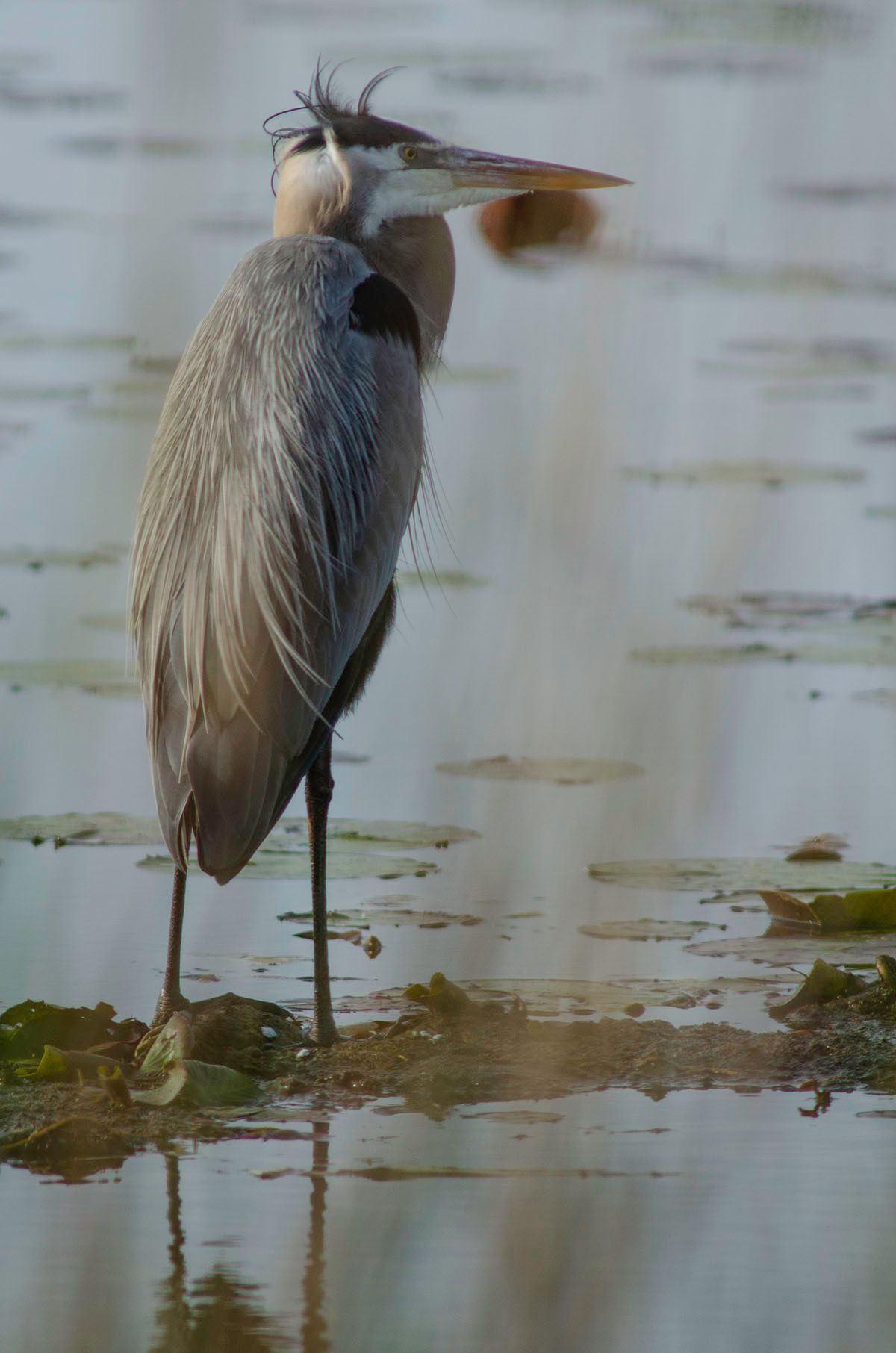
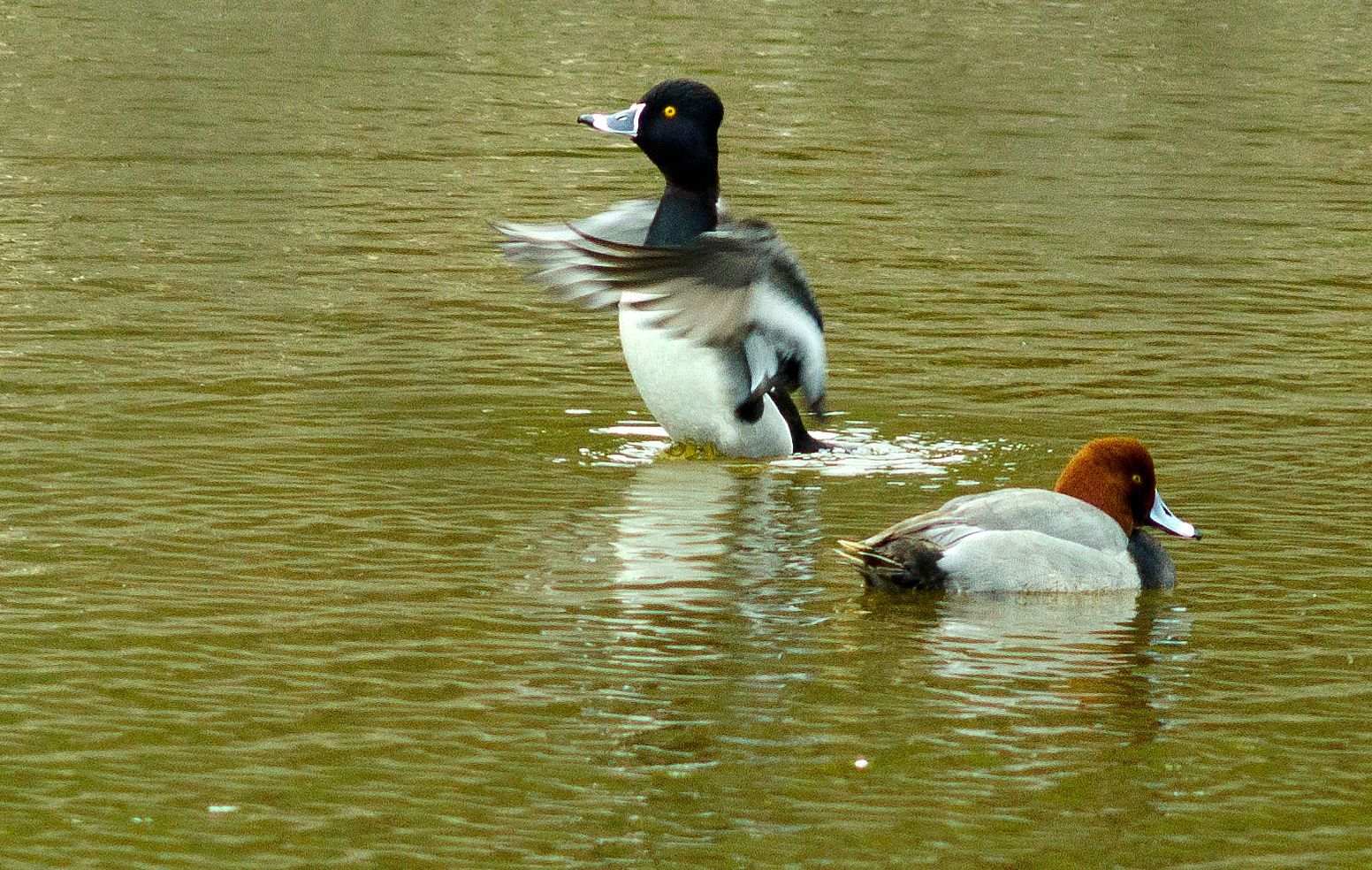
Photo by Karen Kilfeather
Reconnect with Nature
By Cassie Ham
The trees surround you the moment you arrive at the station, even before you depart. As the train pulls away, towering pines, centuries-old oaks, and sweetgum trees crowd the right-of-way until the sky narrows to a ribbon of blue overhead. Somewhere in those first few miles, the rhythm of the rails begins to slow your pace, replacing schedules and deadlines with something far more welcoming — anticipation of a weekend full of adventure.
The Texas State Railroad carries passengers through 50 miles of East Texas scenery between Anderson and Cherokee counties, crossing landscapes that few visitors ever see from a highway. Palestine sits at the western end of the route, making arrival by train feel less like transportation and more like the beginning of an East Texas adventure.
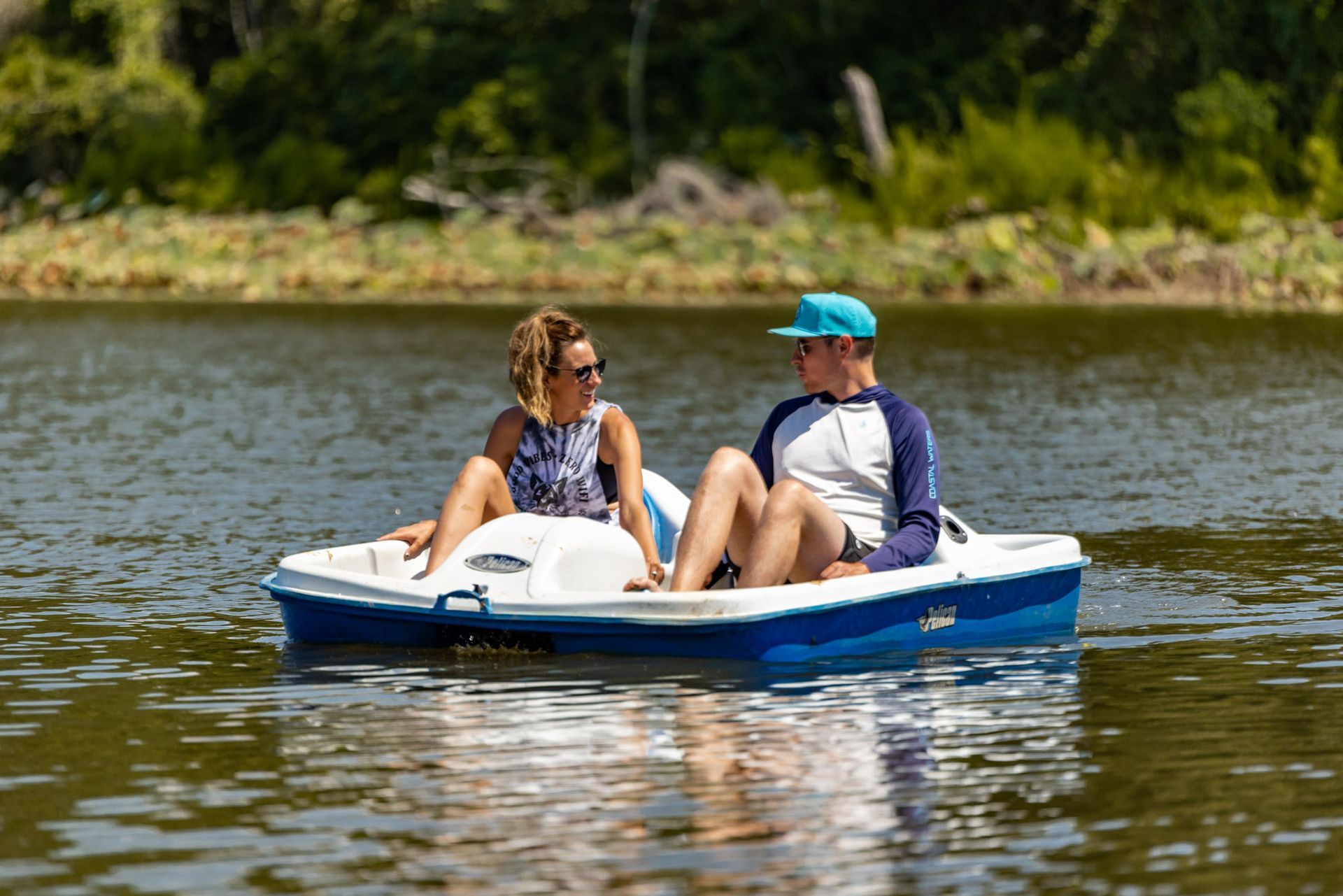
For paddlers exploring the Neches River, Palestine serves as an ideal home base. The river’s winding channels, towering forests, and quiet stretches of water are only ten minutes away.
Beyond the water, Anderson County offers plenty of reasons to extend your stay. More than 1,800 documented historic sites, a walkable downtown district, locally owned restaurants, museums, and unique lodging options invite visitors to slow down and explore.
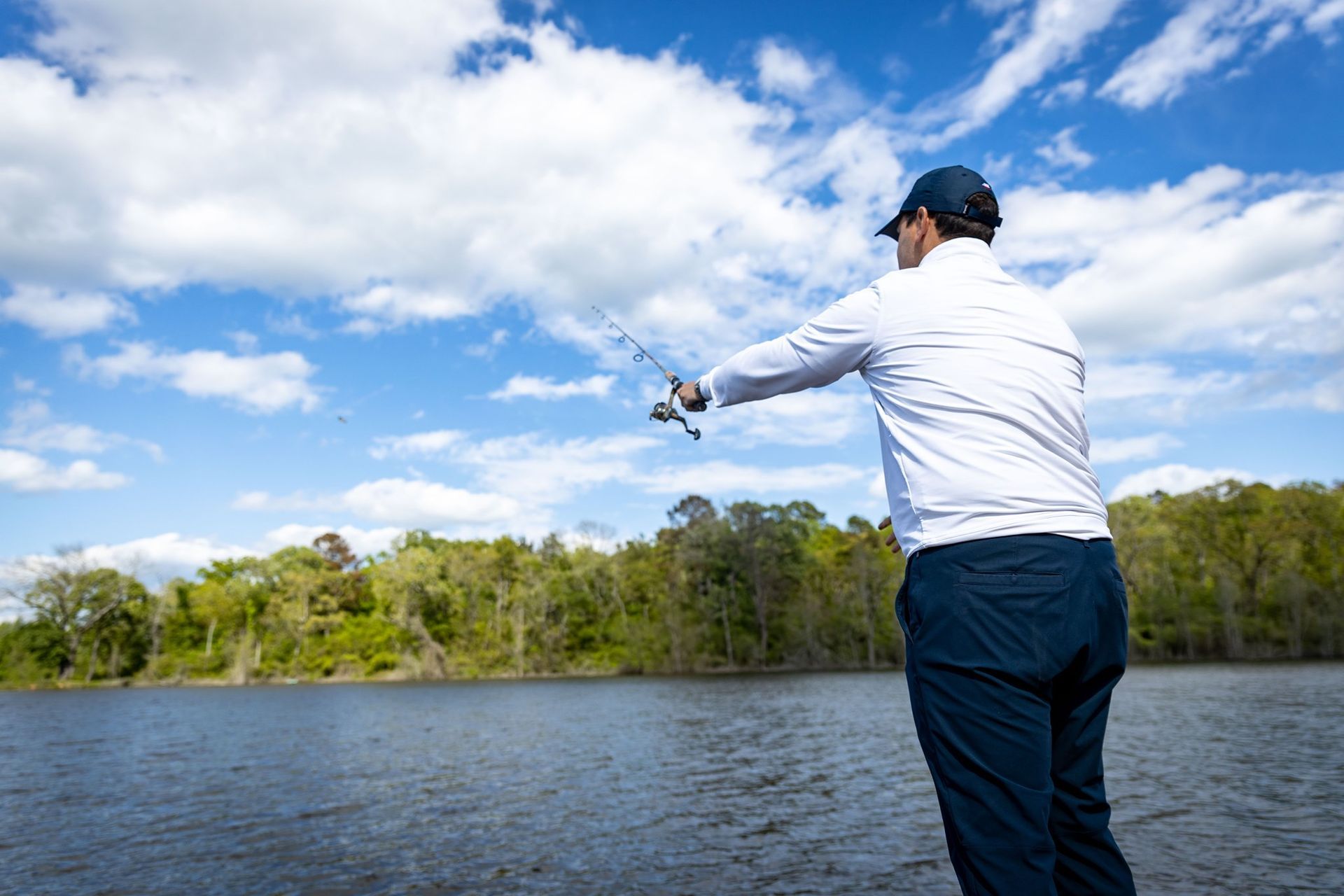
Travelers who want to experience the beauty of the Neches River corridor without getting on the water can spend time at Gus Engeling Wildlife Management Area, where 11,000 acres of scenic drives, trails, and quiet East Texas landscapes offer many of the same views that make the river so memorable.
Those seeking a more active getaway can head to Dead Cat Ranch, located about 20 minutes from many Neches River access points, where horseback riding, fishing, ATV adventures, and glamping accommodations provide another way to enjoy East Texas.
Perhaps the greatest attraction is the pace itself. After a day on the Neches, an evening stroll through historic downtown Palestine or dinner at a local restaurant feels like a natural extension of the journey.
Some people come for a weekend and find themselves staying forever.
Plan your trip at visitpalestine.com.